

Finding out that you have a kidney stone can be worrying, especially when you are unsure whether you need immediate treatment. The good news is that some small kidney stones may pass naturally through the urinary tract without a procedure. However, the size and location of the stone, your symptoms, and whether it is blocking urine flow all matter.
Understanding when it is reasonable to wait and when medical attention is necessary can help you make a safer decision. If you are looking for Kidney Stone Treatment in Vaishali, Dr. Tanu Raghava can help assess your symptoms and determine whether observation or treatment is appropriate.
Our Google Maps location for physical visit
Can Small Kidney Stones Pass on Their Own?
Yes, small kidney stones can sometimes pass naturally. Stones that are smaller have a better chance of travelling from the kidney into the ureter and eventually leaving the body through urine.
However, passing a stone is not always quick or comfortable. As the stone moves through the urinary tract, it may cause pain, pressure, burning while urinating, or changes in urine.
The location of the stone also matters. A stone that has already entered the ureter may behave differently from one that is still inside the kidney. For this reason, simply knowing that a stone is “small” is not enough to decide whether treatment is unnecessary.
What Happens When a Kidney Stone Passes Naturally?
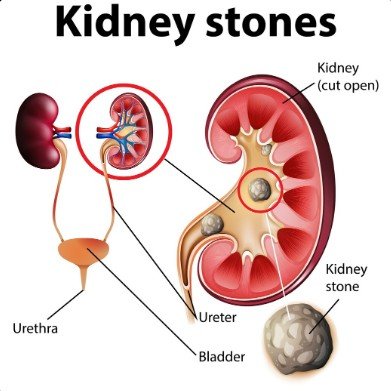
When a stone leaves the kidney, it may travel down the ureter, which is the narrow tube connecting the kidney to the bladder. The stone then enters the bladder before passing out through the urethra during urination.
Common Symptoms During Stone Passage
Some people experience:
- Sharp pain in the side or lower back
- Pain that moves toward the abdomen or groin
- Frequent or painful urination
- Blood in the urine
- Nausea or vomiting
- A feeling of pressure in the lower abdomen
The intensity of symptoms can vary. Some small stones may cause relatively mild discomfort, while others can produce significant pain because of their position or movement.
Does Every Small Stone Need Treatment?
Not necessarily. A doctor may recommend monitoring a small stone when there are no signs of complications and the stone is considered likely to pass naturally.
During this period, your doctor may recommend appropriate fluid intake and symptom management based on your individual condition. Follow-up evaluation may also be needed to check whether the stone has moved or passed.
It is important not to assume that every kidney stone can simply be ignored. A stone can sometimes become stuck and interfere with the normal flow of urine.
For patients considering Kidney Stone Treatment in Vaishali, Dr. Tanu Raghava can evaluate the stone and symptoms before recommending an appropriate approach.
When Should You Seek Medical Attention?
A kidney stone requires prompt medical assessment when symptoms suggest a possible complication.
Watch for Warning Signs
Seek medical care if you experience:
- Severe or persistent pain
- Fever or chills along with urinary symptoms
- Difficulty passing urine
- Repeated vomiting
- Significant blood in the urine
- Worsening symptoms
- Symptoms that do not improve as expected
A blocked urinary tract combined with infection can be particularly concerning and should not be managed by simply waiting for the stone to pass.
If you have symptoms that are becoming more severe, contacting a healthcare professional is more appropriate than relying only on home remedies.
How Is the Need for Kidney Stone Treatment Decided?
Doctors consider several factors before deciding whether observation is suitable.
Stone Size and Location
The size of the stone provides useful information, but its location is equally important. A stone positioned in a part of the urinary tract where it is difficult to pass may require a different approach.
Symptoms
Pain level, urinary symptoms, nausea, and other complaints help determine how urgently the condition needs attention.
Urinary Obstruction
If a stone blocks urine flow, medical treatment may be necessary. Persistent obstruction should not be left unchecked.
Infection
Signs of urinary infection can change the urgency of treatment. Fever, chills, and feeling unwell in combination with suspected obstruction require prompt medical evaluation.
Dr. Tanu Raghava can consider these factors when evaluating someone who needs Kidney Stone Treatment in Vaishali.
Can You Prevent Future Kidney Stones?
Passing one stone does not necessarily mean you will never develop another. Prevention depends partly on why the stone formed.
Depending on the individual situation, a doctor may discuss:
- Maintaining adequate hydration
- Dietary habits
- Salt intake
- Certain foods that may contribute to stone formation
- Previous history of kidney stones
- Testing the stone or urine when appropriate
Rather than making major dietary changes based on general advice alone, it is better to discuss prevention with a healthcare professional, particularly if kidney stones have occurred repeatedly.
Why Medical Evaluation Matters
It can be tempting to wait when a kidney stone is small and the symptoms are manageable. In some cases, observation may indeed be appropriate. But a stone’s size alone does not tell the whole story.
An evaluation can help identify its location, assess whether urine flow is affected, and determine whether there are signs of infection or another concern.
Dr. Tanu Raghava focuses on understanding the individual situation before deciding whether monitoring, medication, or a procedure is appropriate. This can make the approach to Kidney Stone Treatment in Vaishali more specific to the patient’s needs.
Frequently Asked Questions
Can a small kidney stone pass without surgery?
Yes, some small kidney stones can pass naturally without a surgical procedure. Whether this is appropriate depends on the stone’s size and location, symptoms, urinary flow, and other clinical factors.
How do I know if my kidney stone has passed?
Pain and urinary symptoms may improve after a stone passes, but symptoms alone cannot always confirm that it has completely cleared. Follow-up evaluation may be recommended in some cases.
Is drinking water enough to remove a kidney stone?
Adequate fluid intake may support urine flow and can be part of conservative management for some patients. However, drinking water does not guarantee that a stone will pass, particularly when there is obstruction or another complication.
When is kidney stone treatment necessary?
Treatment may be considered when a stone causes persistent or severe symptoms, blocks urine flow, is associated with infection, does not pass as expected, or creates another medical concern. The appropriate option depends on the individual case.
Where can I get Kidney Stone Treatment in Vaishali?
If you are experiencing symptoms of kidney stones, Dr. Tanu Raghava can assess your condition and discuss suitable management options. The right treatment depends on the stone and your overall symptoms.
Conclusion
Small kidney stones can sometimes pass naturally, but waiting is not suitable for everyone. The stone’s size, location, symptoms, and possible blockage or infection all need to be considered.
If you have mild symptoms and have been advised to monitor a small stone, follow your doctor’s instructions and attend any recommended follow-up. If you develop severe pain, fever, difficulty urinating, persistent vomiting, or worsening symptoms, seek medical attention promptly.
For people searching for Kidney Stone Treatment in Vaishali, Dr. Tanu Raghava can provide an evaluation to help determine the appropriate next step rather than relying on the stone’s size alone.