
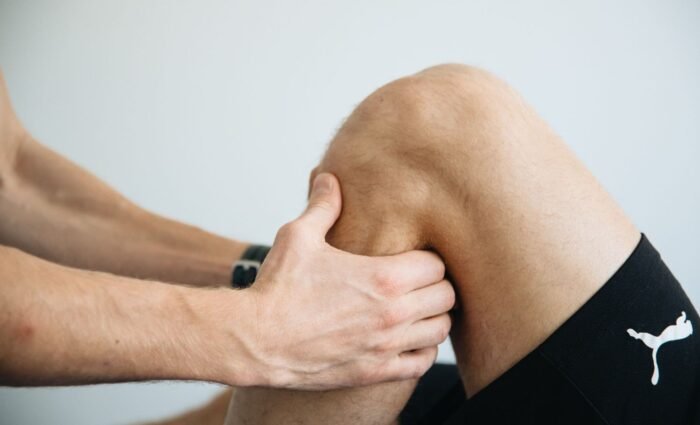

Joint pain and stiffness can make even simple activities feel difficult. Walking to the market, climbing stairs, getting out of bed, or sitting comfortably may become challenging when your joints are affected. Joint Disorders Treatment in Vaishali can help you explore suitable care options and understand how to manage symptoms based on their underlying cause.
Joint disorders can affect people of different ages. Although these problems are more common with ageing, injuries, inflammation, and certain medical conditions can also affect joint movement. Recognising the symptoms early can help you seek appropriate medical advice and protect your daily quality of life.
What Are Joint Disorders?
Joint disorders are conditions that affect the joints, surrounding tissues, or structures that support movement. They may cause pain, swelling, stiffness, tenderness, or reduced flexibility.
Some common conditions include:
- Osteoarthritis: Wear-related changes that can cause pain and stiffness.
- Rheumatoid arthritis: An autoimmune condition that causes joint inflammation.
- Gout: A type of inflammatory arthritis associated with uric acid crystals.
- Joint injuries: Sprains, strains, and other injuries that affect movement.
- Bursitis: Inflammation of small fluid-filled sacs that cushion joints.
The symptoms vary from person to person. Therefore, identifying the cause is an important step before choosing a treatment approach.
Our Google Maps location for physical visit
How Can Joint Disorders Affect Walking?
Walking requires coordinated movement of the hips, knees, ankles, and feet. When one or more of these joints become painful or stiff, walking may require extra effort.
For example, knee pain can make it uncomfortable to put weight on the affected leg. Hip problems may cause discomfort around the groin or outer hip. Ankle and foot conditions can make every step painful.
Some people begin walking more slowly or avoiding longer distances. Others may change their walking pattern to reduce pressure on a painful joint. However, these changes can place additional strain on other parts of the body.
Seeking Joint Disorders Treatment in Vaishali may help you understand the possible reasons for these difficulties and identify appropriate next steps.
Why Can Climbing Stairs Become Difficult?
Climbing stairs places additional demands on the knees, hips, and supporting muscles. These joints must bend, support body weight, and help lift the body against gravity.
When the knees are painful or stiff, stepping upwards may feel uncomfortable. Going downstairs can also be difficult because the knees must control movement while lowering the body.
Hip stiffness may limit your ability to lift your leg comfortably. Weakness, swelling, or fear of falling can make stair use more challenging.
If these difficulties continue, avoid pushing through severe pain. Use a handrail where available and seek professional advice to determine what is causing the problem.
Can Joint Disorders Affect Everyday Activities?
Yes. Joint problems can affect much more than walking and stair climbing. Their impact depends on the joints involved and the severity of symptoms.
You may experience difficulty with:
- Getting up from a chair or bed.
- Sitting on the floor or standing for long periods.
- Dressing, bending, or putting on footwear.
- Opening jars or holding household objects.
- Shopping, cooking, and completing routine chores.
- Sleeping comfortably when pain worsens at night.
These changes can affect independence and confidence. However, appropriate management may help many people improve their mobility and adapt daily activities more comfortably.
When Should You Seek Joint Disorders Treatment in Vaishali?
Occasional discomfort after physical activity may improve with rest. However, persistent or recurring symptoms should not be ignored.
Consider seeking medical advice if you notice ongoing joint pain, repeated swelling, morning stiffness, reduced movement, or difficulty performing normal activities. Symptoms that disturb sleep or gradually become worse also deserve attention.
A qualified healthcare professional can review your symptoms, medical history, and physical function. Depending on the findings, further assessment or referral to a specialist may be necessary.
If a joint becomes hot and swollen and you also develop a fever or feel unwell, seek urgent medical care. Sudden severe pain or an inability to put weight on a joint also requires prompt assessment.
How Can Joint Disorders Be Managed?
Treatment depends on the specific diagnosis, the affected joint, and the severity of symptoms. A healthcare professional may recommend a combination of measures.
Gentle Movement and Exercise
Appropriate exercises can help maintain flexibility, support muscles, and improve mobility. A physiotherapist or qualified clinician can guide you towards activities suited to your condition.
Avoid exercises that cause significant pain, and do not begin an intensive routine without guidance if your symptoms are severe.
Healthy Weight and Daily Habits
For people carrying excess weight, gradual weight management may reduce pressure on weight-bearing joints. Comfortable footwear, regular movement breaks, and avoiding prolonged periods in one position may also help.
Individualised Medical Care
The right approach may include prescribed medicines, physiotherapy, supportive devices, or specialist treatment. Some conditions require specific medical management to prevent complications.
Dr. Tanu Raghava offers individualised consultations and homeopathic care. If you are considering homeopathy, discuss it with a qualified healthcare professional and do not use it as a substitute for proven treatment. Evidence that homeopathy effectively treats joint disorders is limited, and it should not delay necessary diagnosis or medical care.
How Dr. Tanu Raghava Can Help You Explore Care Options
Dr. Tanu Raghava provides personalised consultations that consider symptoms, medical history, and individual health needs. An assessment can help clarify which concerns need further medical evaluation and whether supportive lifestyle guidance may be appropriate.
People searching for Joint Disorders Treatment in Vaishali should choose care based on an accurate understanding of their condition. Depending on the symptoms, a referral to an orthopaedic specialist or rheumatologist may be necessary.
Dr. Tanu Raghava encourages patients to seek timely professional guidance rather than ignoring persistent pain or relying only on self-treatment.
Conclusion
Joint disorders can affect walking, stair climbing, household chores, and many other everyday activities. Pain, stiffness, swelling, and reduced flexibility may gradually interfere with independence if the underlying problem is not addressed.
The good news is that appropriate assessment and condition-specific management can help many people manage symptoms and maintain mobility. If joint discomfort is affecting your routine, consider seeking professional advice. Joint Disorders Treatment in Vaishali should begin with understanding the cause of your symptoms and choosing a safe, evidence-based care plan.
Dr. Tanu Raghava recommends an individualised approach that prioritises your health needs and recognises when further medical evaluation is required.
Frequently Asked Questions
Can joint disorders make walking difficult?
Yes. Pain, stiffness, swelling, or muscle weakness around the hips, knees, ankles, or feet can make walking uncomfortable and reduce walking distance.
Why do my knees hurt when climbing stairs?
Knee pain on stairs can be associated with osteoarthritis, inflammation, injuries, or other joint problems. A medical assessment can help identify the cause.
Can joint disorders affect daily household activities?
Yes. Joint problems may make bending, standing, dressing, cooking, lifting objects, and getting up from a chair more difficult.
When should I seek treatment for joint pain?
Seek medical advice if pain persists, keeps returning, worsens, affects sleep, or interferes with normal activities. Sudden severe pain or a hot, swollen joint with fever needs urgent assessment.
For more information about us so, please visit our website drtanuraghava.com, and direct chat with us on WhatsApp.