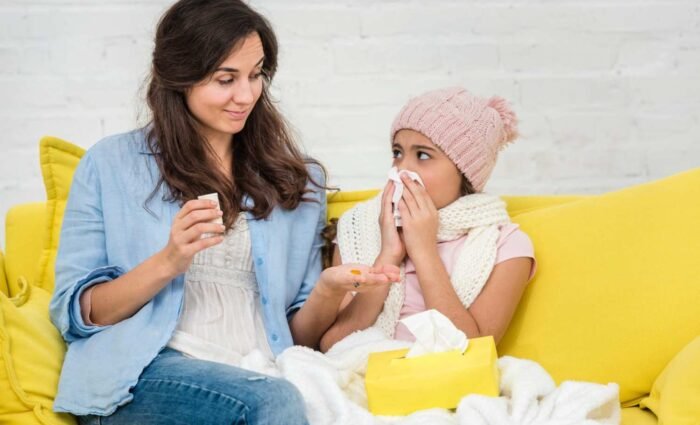

Childhood allergies can be frustrating for both children and parents. Symptoms such as sneezing, coughing, skin irritation, watery eyes, or digestive discomfort may appear repeatedly and can have different triggers. Homeopathy Treatment for Child Allergies in Vaishali focuses on understanding the child’s symptoms, health history, lifestyle, and possible triggers before creating an individualized care approach.
Dr. Tanu Raghava takes a detailed approach to understanding recurring health concerns in children. Identifying possible triggers is an important part of managing allergies because children may react differently to environmental, dietary, seasonal, or other factors.
What Are Childhood Allergies?
When the immune system reacts to a substance that is generally safe for most people, an allergy results. These substances are known as allergens.
Common allergens may include dust mites, pollen, pet dander, mould, certain foods, insect allergens, or other environmental substances.
Children may experience different symptoms depending on the type of allergy and the body system involved. Some may have nasal symptoms, while others may develop skin or digestive complaints.
Because symptoms can overlap with infections and other conditions, professional evaluation is important before assuming that a child has an allergy.
Why Identifying Allergy Triggers Matters
Knowing what may be triggering symptoms can help parents take practical steps to reduce exposure.
For example, if symptoms repeatedly appear after exposure to dust, improving the child’s indoor environment may be helpful. Similarly, if symptoms occur during a particular season, parents can discuss possible seasonal allergens with a healthcare professional.
However, a suspected trigger is not necessarily a confirmed allergy.
This is why careful observation and appropriate medical assessment are important components of Homeopathy Treatment for Child Allergies in Vaishali.
How Does Dr. Tanu Raghava Understand a Child’s Symptoms?
A detailed health history can provide valuable information.
During consultation, parents may be asked about when symptoms started, how frequently they occur, and whether they appear in specific situations.
The doctor may also ask about:
- The child’s previous illnesses
- Allergy symptoms and their duration
- Seasonal changes in symptoms
- Food habits
- Sleep patterns
- Home and school environment
- Exposure to dust or pets
- Skin complaints
- Respiratory symptoms
- Family health history
These specifics can contribute to creating a more comprehensive picture of the child’s health.
Looking for Patterns in Allergy Symptoms
Allergy symptoms may not occur randomly.
Parents may notice that a child’s symptoms become worse at certain times of the year or after particular exposures.
For instance, sneezing and nasal congestion may become more noticeable during pollen seasons. Symptoms may also increase in dusty environments.
Keeping a simple symptom diary can help parents record when symptoms occur and what happened before them.
Useful details may include the date, symptoms, foods eaten, outdoor activities, environmental exposure, and any treatment already used.
This information can be discussed during a consultation with a Homeopathy Treatment for Child Allergies in Vaishali provider.
Environmental Triggers in Children
The environment can play an important role in allergy symptoms.
Dust mites, mould, pollen, and animal dander are common environmental allergens.
Indoor air quality can also affect children who are sensitive to certain airborne substances.
Parents can discuss possible environmental triggers with their healthcare provider. Depending on the suspected allergen, practical measures may include keeping living spaces clean, reducing unnecessary dust accumulation, maintaining appropriate ventilation, and addressing visible mould.
It is important not to make major environmental changes based only on assumptions. Identifying the likely trigger first can make prevention efforts more focused.
Seasonal Allergy Triggers
Some kids have symptoms that change with the seasons.
Changes in pollen levels, weather, humidity, and outdoor exposure may contribute to seasonal allergy symptoms in susceptible children.
Parents may notice symptoms such as sneezing, runny nose, itchy eyes, or nasal congestion during particular months.
Tracking these patterns can provide useful information during a consultation.
A Homeopathy Treatment for Child Allergies in Vaishali plan can then be considered alongside appropriate evaluation and trigger-avoidance strategies.
Food-Related Allergy Concerns
Food allergies require particular care.
Common food allergens can include milk, eggs, peanuts, tree nuts, wheat, soy, fish, and shellfish, although any food can potentially cause an allergic reaction.
Symptoms can vary. Some children may develop hives or swelling, while others can experience vomiting, abdominal symptoms, coughing, wheezing, or breathing difficulty.
Parents should not remove multiple foods from a child’s diet without professional advice. Unnecessary dietary restrictions can affect nutrition and growth.
If a food allergy is suspected, appropriate medical assessment and, when indicated, allergy testing can help clarify the situation.
Understanding Skin Allergy Symptoms
Skin symptoms are another common concern in children.
Parents may notice itching, redness, rashes, dry patches, or recurrent irritation.
These symptoms can have several causes. Allergies are only one possibility.
Soaps, detergents, fabrics, environmental allergens, insect bites, eczema, infections, and other skin conditions may produce similar symptoms.
A detailed evaluation can help determine whether an allergy is likely and whether further assessment is needed.
This broader approach is important when considering Homeopathy Treatment for Child Allergies in Vaishali.
Our Google Maps location for physical visit
Respiratory Allergy Symptoms
Some children develop recurring respiratory symptoms such as sneezing, nasal congestion, coughing, or wheezing.
These symptoms should not automatically be attributed to allergies.
Respiratory infections, asthma, environmental irritants, and other medical conditions can cause similar complaints.
Wheezing or breathing difficulty deserves prompt medical attention, particularly if symptoms are severe or sudden.
Parents should seek appropriate medical evaluation rather than relying only on home treatment.
The Role of a Child’s Daily Routine
A child’s daily routine can provide useful clues.
Symptoms may be associated with time spent outdoors, playing with pets, cleaning activities, school environments, or particular rooms in the house.
Sleep can also be affected when nasal congestion, itching, or coughing occurs at night.
Parents can share information about the child’s daily activities during consultation.
This helps the doctor consider environmental and lifestyle factors along with the child’s medical history.
How Personalized Homeopathy Care May Be Planned
Homeopathy traditionally considers an individual’s overall symptom pattern and personal characteristics when developing a treatment approach.
For children, the consultation may therefore consider more than one isolated symptom.
The child’s age, general health,recurring complaints,symptom patterns, and possible triggers may all be discussed.
A personalized approach means that treatment should not be assumed to be identical for every child.
At the same time, parents should understand that scientific evidence for homeopathy is limited for treating allergies and that it should not replace proven allergy evaluation or emergency care.
Combining Trigger Awareness With Healthy Habits
Identifying potential triggers is only one part of allergy management.
Parents can also support their child’s overall health through balanced nutrition, adequate sleep, physical activity, good hygiene, and appropriate medical check-ups.
Reducing exposure to confirmed or strongly suspected allergens can also be useful.
However, children should not be placed on restrictive diets or kept away from normal activities without a clear reason.
The goal should be practical, age-appropriate, and evidence-based care.
When Should Parents Seek Medical Advice?
Parents should consult a qualified healthcare professional when allergy-like symptoms are frequent, persistent, severe, or interfering with a child’s daily activities.
Medical attention is particularly important if a child experiences breathing difficulty, swelling of the lips or tongue, fainting, severe vomiting, or other signs of a serious allergic reaction.
A severe allergic reaction can be an emergency and requires immediate medical care.
For recurring symptoms, professional evaluation can help determine whether allergies are responsible and whether allergy testing or referral to an allergy specialist is appropriate.
Why Choose a Personalized Approach?
Every child is different.
Two children may experience similar symptoms but have different underlying causes or triggers.
One child may have seasonal symptoms, while another may react to a particular environmental exposure. Some children may have symptoms related to conditions that are not allergies at all.
This is why a detailed consultation is valuable.
For parents considering Homeopathy Treatment for Child Allergies in Vaishali, discussing the child’s complete symptom history and possible triggers can help create a more individualized care strategy.
Conclusion
Identifying possible allergy triggers can help parents better understand recurring symptoms in children. Environmental exposure, seasonal changes, foods, skin irritants, and daily routines may all provide useful clues. However, symptoms alone cannot always confirm an allergy.
Dr. Tanu Raghava‘s consultation approach can focus on understanding the child’s health history, symptom patterns, lifestyle, and possible triggers before considering an individualized care plan.
Homeopathy Treatment for Child Allergies in Vaishali should be approached as part of responsible healthcare, with appropriate medical evaluation and evidence-based allergy management remaining important. Parents should avoid unnecessary food restrictions or stopping prescribed medicines without professional guidance.
When symptoms are persistent or severe, timely medical evaluation is the safest way to identify the underlying problem and determine the most appropriate treatment. With careful observation, professional guidance, and sensible trigger management, parents can take informed steps toward supporting their child’s overall health and well-being.