
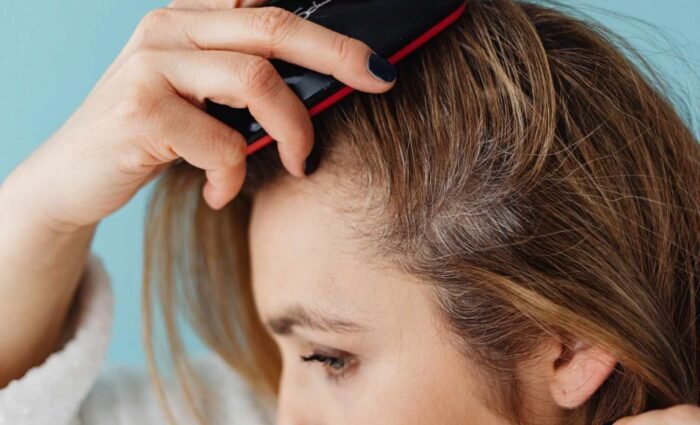

Finding loose strands on your clothes or seeing more hair in the shower can be frustrating. You may wonder whether your hair will become thick again or whether something else is happening. The truth is that hair fall does not have one single cause. Hair Fall Treatment in Vaishali can help you understand what may be affecting your hair and whether you need professional care. Dr. Tanu Raghava encourages people to notice changes early instead of waiting until hair thinning becomes more visible.
Why Has Your Hair Suddenly Started Falling Out?
Hair does not grow continuously at the same rate. Each strand passes through a natural cycle of growth, rest, and shedding. Losing some hair every day is normal.
The concern begins when shedding becomes noticeably heavier, your hair loses its usual volume, or new thin areas appear on your scalp.
Sometimes, the trigger is temporary. At other times, hair fall can be connected to hormonal changes, hereditary factors, scalp conditions, or nutritional problems. Looking at the timing and pattern of hair loss can provide useful clues.
Our Google Maps location for physical visit
Three Clues That Your Hair Fall May Be Temporary
It Started After a Major Change
Think back a few months. Have you experienced a high fever, an illness, surgery, childbirth, or a stressful period? These events can affect the hair growth cycle and cause increased shedding later.
This type of hair shedding often improves when the body recovers and the trigger settles. However, recovery takes time, and the amount of regrowth varies from person to person.
Dr. Tanu Raghava recommends discussing prolonged or heavy shedding with a healthcare professional rather than assuming that stress is always the reason.
Your Hair Is Falling, but You See No Clear Bald Patches
Temporary shedding often affects the scalp more generally instead of creating one distinct bald area. You might notice extra strands while washing or brushing your hair.
Even so, the appearance of your scalp alone cannot confirm the cause. If the shedding continues or your hair density keeps decreasing, consider an assessment.
Your Hair Care Routine Has Changed
Have you recently started frequent straightening, colouring, chemical treatments, or tight hairstyles? These habits can damage hair strands or place repeated tension on the roots.
Try reducing heat and chemical exposure. Use a gentle shampoo, condition your hair, and avoid pulling or brushing it roughly. If breakage or thinning continues, professional guidance can help determine whether another cause is involved.
When Hair Fall May Point to a Deeper Problem
Some changes deserve closer attention. Recognising them can help you seek care before the problem progresses.
A Wider Parting or Gradually Thinning Hair
If your parting looks wider than before, your ponytail feels thinner, or your hairline is slowly changing, hereditary hair loss may be one possible explanation.
Unlike temporary shedding, some forms of hereditary hair loss continue without treatment. Early evaluation can help you understand the pattern and discuss suitable options.
Round Bald Spots or Sudden Hair Loss
Notice a smooth bald patch on your scalp, eyebrows, or beard? Do not ignore it. Conditions such as alopecia areata can cause hair loss in distinct patches.
Sudden or rapidly progressing hair loss should be assessed promptly, especially when it affects several areas.
Scalp Discomfort Along With Hair Fall
Persistent itching, redness, scaling, tenderness, or swelling may suggest a scalp condition that needs specific care. Avoid covering up these symptoms with oils or trying multiple products without understanding the cause.
Dr. Tanu Raghava recommends seeking medical advice if hair loss occurs alongside unusual scalp changes.
Hair Fall With Other Physical Changes
Hair thinning can sometimes occur alongside thyroid problems, hormonal imbalances, or deficiencies in nutrients such as iron or protein. Fatigue, unexpected weight changes, or irregular menstrual cycles may be additional reasons to seek assessment.
These symptoms do not automatically mean you have a particular condition. They simply help a healthcare professional decide what needs to be checked.
How Can Hair Fall Treatment in Vaishali Help?
The first step is to understand why your hair is falling out. Using a product without identifying the cause may waste time and may not address the actual problem.
During an assessment, a healthcare professional may ask about your diet, family history, recent illnesses, stress, medicines, and hair care routine. The scalp and hair pattern may also be examined. Depending on the findings, blood tests or other investigations may be recommended.
The treatment plan depends on the diagnosis. Some people need changes to their hair care habits, while others may benefit from treatment for an underlying medical or scalp condition.
Choosing Hair Fall Treatment in Vaishali should therefore begin with understanding your symptoms and getting appropriate professional advice. Dr. Tanu Raghava encourages patients to avoid self-diagnosis and treatments that promise immediate results.
Everyday Habits That Support Healthier Hair
You do not need an expensive routine to care for your hair. Start with simple, consistent habits:
- Include adequate protein and a variety of nutrient-rich foods in your diet.
- Avoid crash diets and sudden, restrictive weight-loss plans.
- Reduce frequent heat styling and harsh chemical treatments.
- Choose comfortable hairstyles that do not pull tightly on the scalp.
- Get enough sleep and find practical ways to manage stress.
- Avoid taking high-dose supplements without professional advice.
Dr. Tanu Raghava also recommends patience. Hair growth is gradual, and improvement depends on the cause of the shedding and the treatment used.
Conclusion
Hair fall can be temporary, but persistent thinning or sudden bald patches should not be overlooked. Pay attention to when the shedding began, whether your hair density is changing, and whether you have other symptoms.
With the right assessment, Hair Fall Treatment in Vaishali can help identify possible causes and guide the next steps. Dr. Tanu Raghava encourages anyone experiencing ongoing or unusual hair loss to seek appropriate advice instead of relying on guesswork.
Frequently Asked Questions
Can hair fall stop on its own?
Yes. Some temporary shedding improves once its trigger resolves.
Does washing hair cause hair loss?
Washing can release loose strands, but it does not usually cause hair loss by itself.
Are hair supplements always helpful?
No. Supplements are useful when needed, but excessive amounts can be harmful.
When should I seek help for hair fall?
Seek advice for persistent shedding, visible thinning, bald patches, or scalp discomfort.
For more information about us so, please visit our website drtanuraghava.com, and direct chat with us on WhatsApp.