
Introduction
Table of Contents
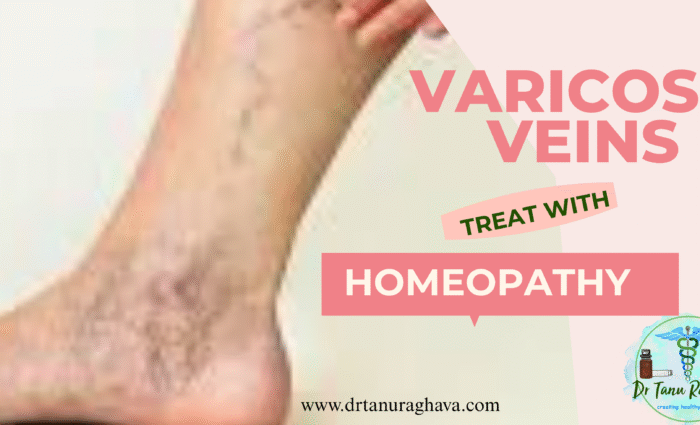
ToggleVaricose veins and venous ulcers are chronic conditions caused by poor blood circulation in the veins, particularly in the legs. These conditions often start as visible, bulging veins and may progress to painful, non-healing ulcers if ignored. Homeopathy, with its holistic approach, offers a safe and long-lasting solution by treating the root cause and strengthening venous health. Under the guidance of Dr. Tanu Raghava, patients have experienced remarkable recovery through customized remedies, diet, and lifestyle modification.
The Culprit Behind It
The main culprit behind varicose veins and ulcers is venous insufficiency — a condition where the valves in the veins become weak or damaged, leading to pooling of blood in the lower limbs. This chronic pressure damages surrounding tissues and, over time, leads to inflammation, pain, and skin breakdown, causing ulcers.
Causes
- Weak or damaged vein valves
- Prolonged standing or sitting
- Obesity and sedentary lifestyle
- Pregnancy and hormonal changes
- Genetic predisposition
- Aging and loss of vein elasticity
- Deep vein thrombosis (DVT) history
Types
Superficial Varicose Veins: Appear just under the skin; visible and twisted.
Reticular Varicose Veins: Smaller, blue-colored veins forming a network.
Perforator Varicose Veins: Occur when connecting veins between deep and superficial systems malfunction.
Venous Ulcers: Chronic open sores developing near ankles or lower legs due to prolonged venous insufficiency.
Symptoms
- Heaviness and pain in legs
- Swelling, itching, and burning sensation
- Visible twisted or bulging veins
- Night cramps and restlessness
- Skin discoloration or darkening near the ankles
- Non-healing sores or ulcers on lower legs
Scientific Evidence Supporting Homeopathy
Several clinical and observational studies highlight homeopathy’s effectiveness in managing venous diseases. A study published in the International Journal of High Dilution Research showed improved venous tone, reduced pain, and swelling in patients using homeopathic remedies like Hamamelis, Calcarea fluorica, and Fluoric acid. The evidence emphasizes that homeopathy promotes natural healing by improving microcirculation, reducing inflammation, and strengthening venous walls without any side effects.
Role of Homeopathy in Varicose Veins and Ulcers
Homeopathy focuses on the individual’s constitution rather than merely treating the symptoms. Dr. Tanu Raghava emphasizes that with the right remedy, homeopathy not only alleviates pain, heaviness, and ulceration but also prevents recurrence. Remedies such as Hamamelis, Calcarea fluorica, and Pulsatilla work by toning the vein walls, improving circulation, and reducing inflammation. When combined with nutritional guidance and lifestyle management, results are profound and long-lasting.
Homeopathic Medicines
1. Hamamelis Virginica
Highlighted Symptom: Severe soreness and fullness in legs as if they would burst.
- Hemorrhagic tendency with dark, passive bleeding
- Veins feel sore and painful on touch
- Burning, heavy sensation in legs
- Great for venous ulcers with dark oozing blood
2. Calcarea Fluorica
Highlighted Symptom: Hard, knotty veins with thickened walls.
- Reduces varicosity and hardness
- Strengthens connective tissue and vein elasticity
- Used for ulcers with indurated margins
- Pain worse on standing or exertion
3. Pulsatilla Nigricans
Highlighted Symptom: Painful, congested veins worse in warmth and better by cold.
- Suited to mild, emotional individuals
- Relieves throbbing and burning in varicose veins
- Useful in varicosities during pregnancy
- Helps ulcers with greenish discharge
Other Important Remedies
4. Lycopodium Clavatum – Varicose ulcers on right leg, itching worse from warmth, pain better by cold applications.
5. Sepia Officinalis – Congested veins during menopause, dragging pain in legs, worse standing long.
6. Arnica Montana – Soreness and bruised pain in veins and ulcers after strain or injury.
7. Fluoric Acid – Chronic varicose ulcers with offensive discharge, burning, and itching; improves tissue healing.
Importance of Correct Diet
A healthy diet helps improve circulation, repair tissue, and prevent further venous damage. Dr. Tanu Raghava advises a nutrient-rich, anti-inflammatory diet to promote healing and strengthen veins.
Foods to Eat:
- Fruits: Oranges, papaya, berries, apple, and citrus fruits (rich in Vitamin C for vein health).
- Vegetables: Spinach, kale, broccoli, beetroot, and carrots (improve circulation and tissue repair).
- Pulses: Lentils, chickpeas, kidney beans (for protein and fiber).
- Nuts & Seeds: Almonds, walnuts, flaxseeds, and chia seeds (rich in omega-3).
- Whole Grains: Oats, quinoa, brown rice.
- Herbs & Spices: Turmeric, ginger, garlic to reduce inflammation.
Foods to Avoid:
- Fried and processed foods
- Excess salt and sugar
- Red meat and saturated fats
- Refined flour and bakery products
- Alcohol and caffeine
Do’s and Don’ts
Do’s:
- Elevate legs for 10–15 minutes twice daily
- Exercise regularly—walking, swimming, or cycling
- Wear compression stockings if advised
- Maintain healthy weight
- Drink plenty of water
Don’ts:
- Stand or sit for long periods
- Cross legs while sitting
- Wear tight clothing around thighs or waist
- Smoke or consume alcohol
- Ignore small wounds or itching around the ankles
Top 3 Yoga Exercises
1. Viparita Karani (Legs-Up-the-Wall Pose):
Lie on your back near a wall and lift your legs vertically upward resting against the wall. Keep arms relaxed. Hold for 5–10 minutes. This pose improves venous return and reduces swelling.
2. Tadasana (Mountain Pose):
Stand straight, feet together, arms by your side. Inhale deeply and stretch arms upward while standing on toes. Hold for 15 seconds, exhale and relax. This strengthens calf muscles and improves blood flow.
3. Pawanmuktasana (Wind-Relieving Pose):
Lie flat on the back, bend one knee and hold it with both hands to the chest, then switch legs. Improves circulation and relieves leg pressure.
Bonus Tip
Massage legs gently with upward strokes using warm coconut or mustard oil mixed with a few drops of Hamamelis mother tincture to improve circulation and relieve pain naturally.

Conclusion
Varicose veins and ulcers may seem chronic, but with consistent homeopathic treatment, lifestyle discipline, and dietary care, they can be reversed effectively. Dr. Tanu Raghava emphasizes early intervention, as homeopathy not only heals but also prevents complications. By embracing holistic care, one can regain comfort, confidence, and freedom from chronic venous issues.
FAQs
Q1. Can homeopathy completely cure varicose veins?
Ans: Yes, with individualized treatment under Dr. Tanu Raghava, homeopathy can greatly improve and often cure varicose veins naturally.
Q2. How long does it take to see results?
Ans: Improvement varies from person to person but usually becomes noticeable within 2–3 months with consistent treatment.
Q3. Are varicose ulcers dangerous?
Ans: If untreated, ulcers can become infected and chronic, but homeopathy promotes quick healing and prevents recurrence.
Q4. Can lifestyle changes alone help?
Ans: Lifestyle changes support healing, but homeopathy treats the root cause and ensures lasting results.
Q5. Is surgery necessary for varicose veins?
Ans: Surgery is not always required. Many cases respond beautifully to homeopathic medicines and natural management under expert care.