
Introduction
Table of Contents
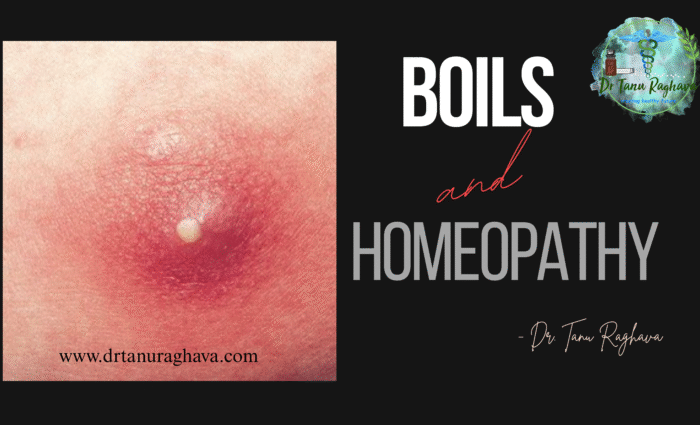
ToggleBoils, or furuncles, are painful, pus-filled bumps that develop under the skin when bacteria infect and inflame one or more hair follicles. When these boils become severe or spread to surrounding tissues, they are termed infected boils. As a Homeopathic Physician and Nutritional Counselor, Dr. Tanu Raghava emphasizes that recurrent or infected boils are not merely skin problems — they reflect an inner imbalance of immunity, hygiene, and metabolism. Homeopathy, with its individualized approach, offers a safe, natural, and permanent solution.
The Culprit Behind Infected Boils
The primary culprit behind infected boils is Staphylococcus aureus, a bacterium commonly found on the skin. When the skin barrier breaks due to minor cuts, shaving, or friction, these bacteria invade deeper layers, leading to infection, inflammation, and pus formation. However, in homeopathic understanding, the root lies deeper — in lowered immunity, poor elimination of toxins, and suppressed skin eruptions that try to cleanse the system.
Causes of Infected Boils
- Poor hygiene and excessive sweating
- Friction from tight clothing or shaving
- Nutritional deficiencies (especially zinc and vitamin C)
- Weakened immune system due to diabetes or stress
- Hormonal imbalance (especially in teenagers and young adults)
- Chronic constipation and toxin accumulation
- Recurrent infections due to antibiotic resistance
Types of Boils
- Furuncles: Single boil caused by bacterial infection.
- Carbuncles: Cluster of interconnected boils causing deeper infection.
- Cystic boils: Large, painful boils filled with pus and fluid.
- Pilonidal boils: Form near the tailbone due to ingrown hair.
- Recurrent boils: Reappear frequently due to poor immunity.
Symptoms of Infected Boils
- Painful, red, swollen lump on the skin
- Formation of a white or yellow pus-filled head
- Fever and fatigue in severe cases
- Swelling of surrounding lymph nodes
- Itching and tenderness before eruption
- Thick discharge of pus with foul odor

Scientific Evidence Supporting Homeopathy
Scientific studies have shown that homeopathic remedies stimulate the immune response and support the body’s natural healing mechanism. A 2019 study published in The Journal of Integrated Medicine found that individualized homeopathic treatment reduced the recurrence and healing time of bacterial skin infections. Homeopathy works not only by controlling infection but also by addressing the constitutional tendency that predisposes one to boils. According to Dr. Tanu Raghava, homeopathic medicines are selected after detailed case analysis — considering the patient’s constitution, sensitivity, and underlying cause — ensuring a safe and holistic cure.
Role of Homeopathy in Treating Infected Boils
Homeopathy treats infected boils by enhancing immunity, improving toxin elimination, and promoting natural healing without suppressing the discharge. Remedies are chosen according to the stage of the boil — from redness and swelling to pus formation and healing. Unlike antibiotics, homeopathy does not disturb the gut flora or cause resistance. Dr. Tanu Raghava highlights that timely homeopathic intervention prevents recurrence and restores skin health naturally.
Homeopathic Medicines for Infected Boils
1.Hepar Sulphuris Calcareum
Key Symptom: Extremely painful boils that are sensitive to touch and prone to suppuration.
Redline Symptoms:
- Boils that discharge thick, foul-smelling pus
- Person feels chilly and wants to be covered
- Pain worsens from cold air or slightest touch
- Boils heal slowly and recur frequently
2. Silicea
Key Symptom: Boils that do not ripen easily and tend to heal very slowly.
Redline Symptoms:
- Discharge of offensive, thin pus
- Patient feels chilly and sweats easily
- Used for recurrent boils with low immunity
- Helps expel foreign bodies like splinters or embedded pus
3. Belladonna
Key Symptom: Early-stage boils that are red, throbbing, and hot to touch.
Redline Symptoms:
- Sudden appearance of painful swelling
- Boils associated with fever and flushed face
- Sensitive to light and noise
- Used in inflammatory stage before pus forms
Other Important Remedies
4. Calcarea Sulphurica:
Key Symptom: Boils discharging yellow, thick pus that refuse to heal.
- Useful for recurrent, slow-healing boils and scars.
5. Arsenicum Album:
Key Symptom: Burning pain with anxiety and restlessness.
- Boils that worsen at midnight and improve by warmth.
6. Mercurius Solubilis:
Key Symptom: Boils with offensive discharge and excessive salivation.
- Suited for patients with foul breath and night sweats.
7. Lachesis:
Key Symptom: Boils that turn bluish and worsen from slightest pressure.
- For carbuncles or boils with purple discoloration.
Importance of Correct Diet in Healing Infected Boils
Diet plays a crucial role in purifying blood, boosting immunity, and supporting skin recovery. Dr. Tanu Raghava recommends a natural, anti-inflammatory diet to promote faster healing.
Foods to Eat
- Fruits: Papaya, apple, pomegranate, oranges, guava, kiwi (rich in vitamin C)
- Vegetables: Spinach, broccoli, carrots, bottle gourd, beetroot
- Pulses: Green gram (moong), masoor dal, toor dal
- Nuts & Seeds: Almonds, walnuts, flaxseeds, chia seeds, sunflower seeds
- Liquids: Warm water, herbal teas, coconut water, fresh vegetable juices
- Whole Grains: Brown rice, oats, millet, quinoa
- Probiotics: Curd, buttermilk, homemade fermented foods
Foods to Avoid
- Fried and oily foods (samosa, pakora, chips)
- Refined sugar and white flour products
- Carbonated drinks and excess coffee
- Red meat and processed foods
- Dairy products if acne-prone or lactose intolerant
- Excess salt and spicy food
- Alcohol and smoking
Do’s and Don’ts
Do’s
- Maintain personal hygiene; wash skin gently with mild soap.
- Use clean towels and avoid sharing them.
- Drink 8–10 glasses of water daily.
- Include zinc-rich foods like pumpkin seeds and spinach.
- Sleep adequately to promote immune repair.
- Apply warm compresses to aid pus drainage.
Don’ts
- Don’t squeeze or prick boils.
- Don’t use harsh antiseptics or creams without guidance.
- Avoid tight clothing and excessive sweating.
- Don’t ignore recurrent boils — consult a homeopath.
- Avoid junk food and refined sugar which promote bacterial growth.
Top 3 Yoga Exercises for Skin Detox and Immunity
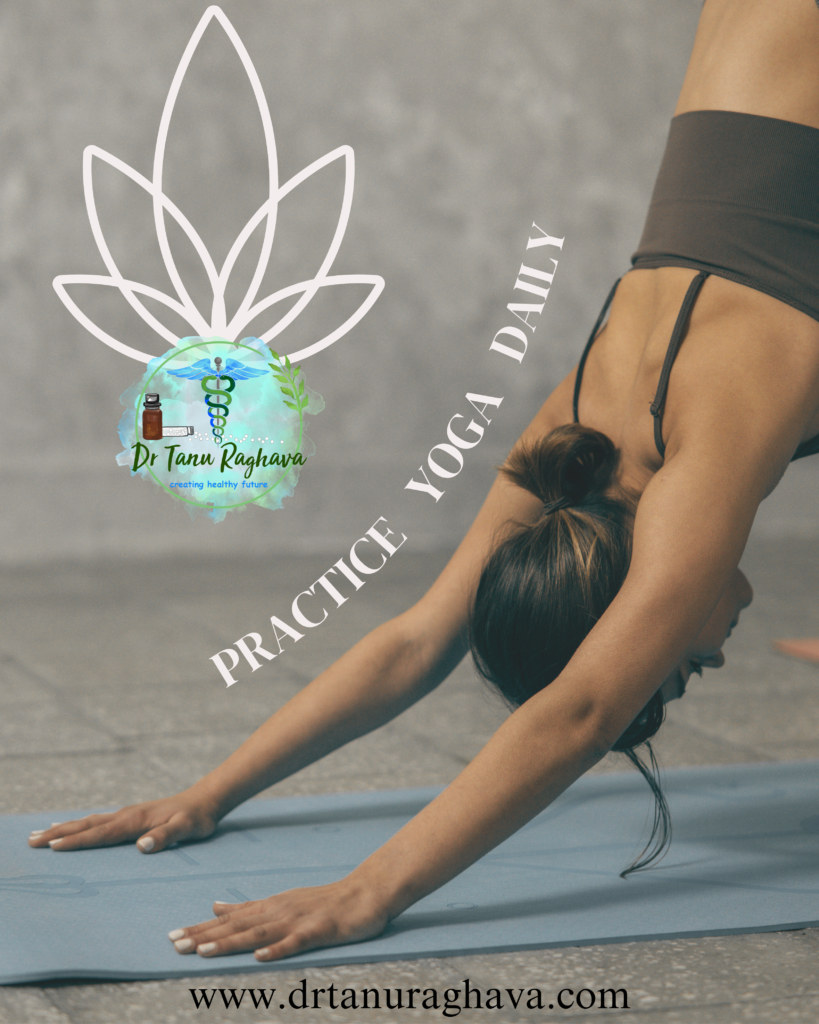
1. Bhujangasana (Cobra Pose)
Lie on your stomach, place palms beside your chest, and inhale deeply while lifting your chest upward. Hold for 10–15 seconds and exhale slowly. It improves blood circulation and supports skin detoxification.
2. Trikonasana (Triangle Pose)
Stand with legs apart, extend arms sideways, and bend toward one foot while looking upward. Hold for 15 seconds. It enhances lymphatic drainage and promotes hormonal balance.
3. Sarvangasana (Shoulder Stand)
Lie down, lift your legs and back up, supporting your waist with hands. Hold for 20 seconds and return slowly. It boosts thyroid function and purifies blood naturally.
Bonus Tip
Apply turmeric paste (haldi with coconut oil) locally for its natural antiseptic and healing properties — a simple yet powerful remedy that complements homeopathic treatment advised by Dr. Tanu Raghava.
Conclusion
Infected boils may seem superficial, but they often reflect inner imbalance. Homeopathy, as practiced by Dr. Tanu Raghava, aims to correct the root cause — whether it’s low immunity, poor detoxification, or emotional stress. By combining individualized homeopathic remedies, proper nutrition, hygiene, and yoga, one can achieve permanent relief and glowing, healthy skin from within.
FAQs
Q1. What causes infected boils to recur again and again?
Ans: Recurrent boils are usually due to low immunity, poor hygiene, or underlying conditions like diabetes. Homeopathy strengthens immunity to prevent recurrence.
Q2. Can homeopathy cure infected boils permanently?
Ans: Yes, individualized treatment under experts like Dr. Tanu Raghava eliminates the root cause, preventing recurrence without side effects.
Q3. How long does it take for homeopathic medicines to heal boils?
Ans: Mild cases improve within a few days, while chronic or recurrent boils may take 4–6 weeks depending on immunity and lifestyle.
Q4. Can I apply any cream on infected boils during homeopathic treatment?
Ans: Avoid topical antibiotics unless prescribed. Simple natural remedies like turmeric or warm compresses can be used safely.
Q5. Is diet important during homeopathic treatment for boils?
Ans: Absolutely. Dr. Tanu Raghava emphasizes that a clean, anti-inflammatory diet accelerates healing and prevents toxin accumulation.