
Introduction
Table of Contents
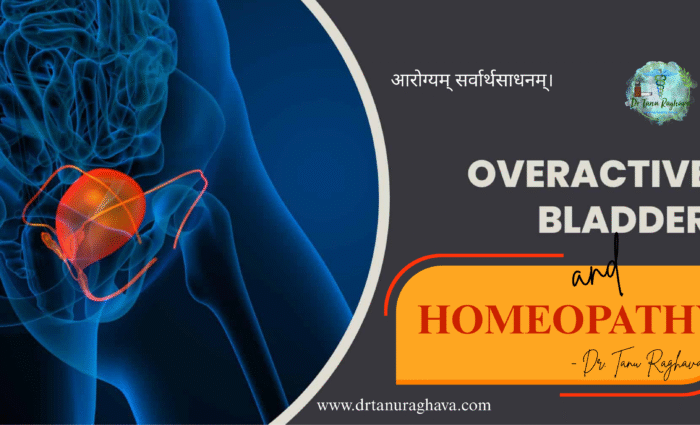
ToggleOveractive Bladder (OAB) is a common yet distressing condition that affects both men and women, leading to frequent and sudden urges to urinate, often disrupting daily life and sleep. With homeopathy’s holistic approach, long-term relief can be achieved by addressing the underlying cause rather than merely suppressing symptoms. Dr. Tanu Raghava, a Senior Homeopath and Nutrition Expert, explains how a well-selected homeopathic treatment, combined with proper diet and lifestyle changes, can help patients regain bladder control naturally.
Culprit Behind Overactive Bladder
The main culprit behind an overactive bladder lies in the involuntary contractions of the detrusor muscle, which causes an urgent need to urinate even when the bladder isn’t full. This dysfunction can arise from nervous system disturbances, infections, or irritations affecting the bladder lining.
Causes of Overactive Bladder
Urinary Tract Infections (UTIs) leading to irritation of the bladder wall
Neurological conditions such as Parkinson’s disease or multiple sclerosis
Hormonal changes during menopause or aging
Excess caffeine or alcohol intake stimulating bladder activity
Obesity, which increases pressure on the bladder
Bladder outlet obstruction or previous pelvic surgery
Emotional stress and anxiety
Types of Overactive Bladder
Urge Incontinence: Sudden urge to urinate with involuntary leakage.
Frequency: Needing to urinate more than eight times in a day.
Nocturia: Waking up multiple times at night to urinate.
Mixed Type: Combination of stress and urge incontinence.

Symptoms of Overactive Bladder
- Sudden, intense urge to urinate
- Frequent urination in small amounts
- Involuntary leakage of urine (urge incontinence)
- Disrupted sleep due to nocturia
- Difficulty controlling bladder in social or professional situations
Scientific Evidence Supporting Homeopathy
Clinical research and case studies have demonstrated homeopathy’s success in treating urinary disorders by regulating bladder muscle activity and restoring nerve balance. Studies published in Homeopathy Journal and Complementary Therapies in Medicine highlight the positive impact of remedies like Causticum and Sepia in managing bladder overactivity and reducing urinary urgency. The gentle, non-toxic nature of homeopathic medicines makes them particularly suitable for chronic urinary complaints.
Role of Homeopathy in Overactive Bladder
Homeopathy treats overactive bladder by addressing the root cause — whether neurological, hormonal, or emotional. Unlike conventional medications that suppress bladder contractions, homeopathic remedies strengthen the urinary system, calm the overactive detrusor muscles, and balance the nervous system naturally. Under the guidance of Dr. Tanu Raghava, customized homeopathic treatment offers long-term relief without side effects, improving both bladder control and quality of life.
Homeopathic Medicines
1. Causticum
Highlighted Symptom: Involuntary urination when coughing, sneezing, or laughing.
Redline Symptoms:
- Loss of urine during night or with slightest exertion
- Burning or rawness in urethra
- Weak bladder muscles
- Better in cold weather
2. Sepia
Highlighted Symptom: Urgent desire to urinate with inability to retain urine after urge.
Redline Symptoms:
- Frequent urination especially after exertion
- Heaviness in lower abdomen
- Feeling of bearing down in pelvic region
- Suited to women post childbirth or menopause
3. Pulsatilla Nigricans
Highlighted Symptom: Constant urging to urinate, especially at night.
Redline Symptoms:
- Urine dribbles after voiding
- Burning sensation during urination
- Emotional sensitivity and weeping tendency
- Symptoms aggravated by warmth and improved in open air
Other Important Remedies
4. Belladonna
Highlighted Symptom: Sudden urge with spasmodic pain in bladder.
Redline Symptoms:
- Retention alternating with frequent urination
- Red, hot face with restlessness
- Better from warmth
5. Natrum Muriaticum
Highlighted Symptom: Involuntary urine during coughing or walking.
Redline Symptoms:
- Increased frequency during day
- Weak pelvic muscles
- Associated with emotional grief
6. Staphysagria
Highlighted Symptom: Urgency after emotional stress or humiliation.
Redline Symptoms:
- Burning after urination
- Sensation of incomplete emptying
- Suited to individuals with suppressed anger
7. Argentum Nitricum
Highlighted Symptom: Frequent urination due to anxiety or nervous excitement.
Redline Symptoms:
- Urine passes in small quantities
- Anticipatory anxiety before urination
- Associated with digestive troubles

Importance of Correct Diet
A proper diet plays a vital role in managing overactive bladder. As Dr. Tanu Raghava emphasizes, reducing bladder irritants and maintaining hydration are essential to recovery.
Foods to Eat:
- Fruits: Apples, pears, papaya, watermelon
- Vegetables: Carrot, cucumber, bottle gourd, spinach, pumpkin
- Pulses: Moong dal, masoor dal, urad dal in moderation
- Nuts & Seeds: Almonds (soaked), flaxseeds, chia seeds
- Whole Grains: Brown rice, quinoa, oats
- Fluids: Coconut water, plain water, herbal teas (chamomile or fennel)
Foods to Avoid:
- Caffeine-rich drinks (coffee, tea, cola)
- Alcohol
- Spicy and citrus foods (orange, tomato, lemon)
- Processed and fried items
- Artificial sweeteners
- Excess salt and sugary beverages
Do’s and Don’ts
Do’s:
- Practice bladder training by gradually increasing the interval between urinations
- Drink adequate but not excessive water
- Perform pelvic floor (Kegel) exercises daily
- Manage stress through meditation or pranayama
- Maintain a healthy weight
Don’ts:
- Avoid holding urine for long durations
- Limit fluid intake before bedtime
- Refrain from caffeine and alcohol
- Don’t ignore urinary tract infections
- Avoid constipation as it worsens bladder control
Top 3 Yoga Exercises
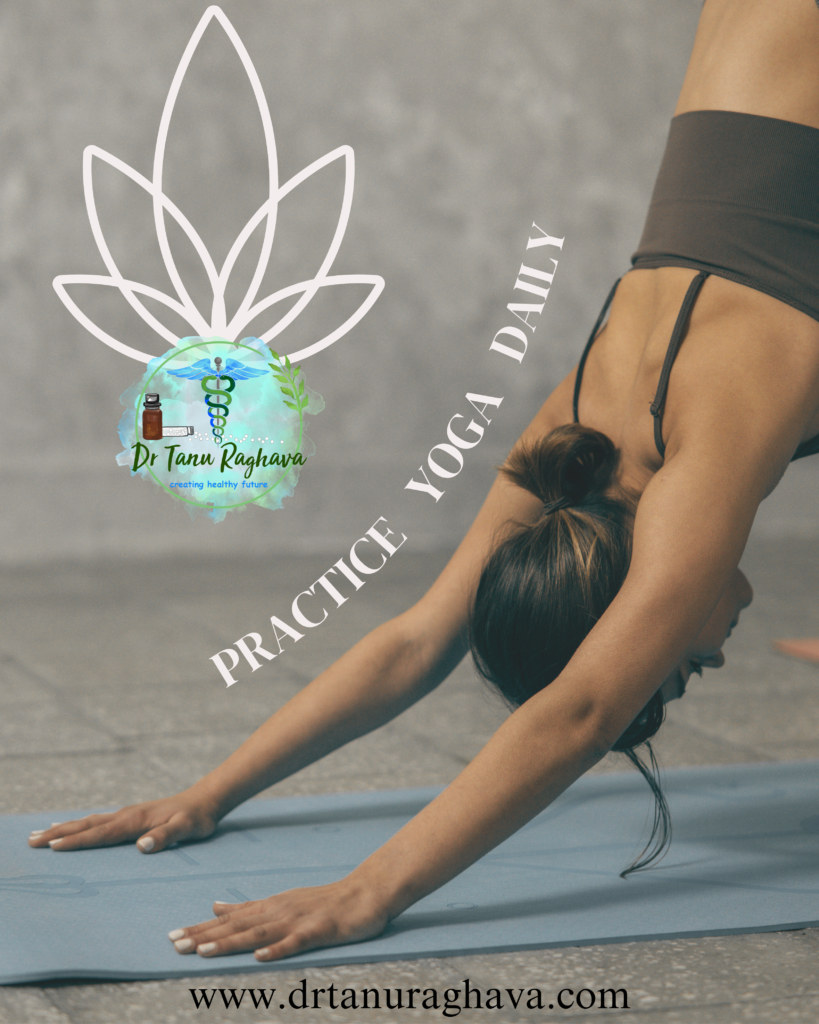
1. Moola Bandha (Root Lock)
Tighten the pelvic floor muscles as if stopping urination mid-flow. Hold for 10 seconds, then release. Repeat 10–15 times. Strengthens bladder control muscles.
2. Setu Bandhasana (Bridge Pose)
Lie on your back, bend knees, keep feet flat, and lift hips upward while inhaling. Hold for 10 seconds, exhale, and lower down. Improves pelvic circulation and muscle tone.
3. Baddha Konasana (Butterfly Pose)
Sit straight, bring soles of feet together, and gently move knees up and down. Enhances flexibility of pelvic region and reduces urinary tension.
Bonus Tip
Include cranberry juice or pumpkin seeds in your diet. They contain antioxidants that protect the urinary tract and improve bladder health naturally.
Conclusion
Overactive bladder may seem embarrassing and frustrating, but with a balanced combination of homeopathic medicines, dietary correction, and lifestyle adjustments, it can be completely managed. Under the holistic care of Dr. Tanu Raghava, patients experience not only symptom relief but also emotional and physical well-being. Homeopathy truly empowers the body to regain control — gently, naturally, and effectively.
FAQ
Q1. Can homeopathy permanently cure overactive bladder?
Ans: Yes, with individualized treatment from Dr. Tanu Raghava, homeopathy can bring long-term relief by addressing the root cause.
Q2. How long does it take to see improvement?
Ans: Results vary, but most patients notice better bladder control within 4–6 weeks of consistent treatment.
Q3. Is overactive bladder related to anxiety?
Ans: Yes, emotional stress or anxiety can trigger or worsen symptoms, which homeopathy effectively manages.
Q4. Can children also have overactive bladder?
Ans: Yes, children can experience OAB, and gentle homeopathic medicines are safe and effective for them.
Q5. Do I need to follow a strict diet during homeopathic treatment?
Ans: A balanced, bladder-friendly diet enhances recovery. Avoid irritants like caffeine, alcohol, and spicy foods.