
Introduction: Understanding Dry Skin
Table of Contents
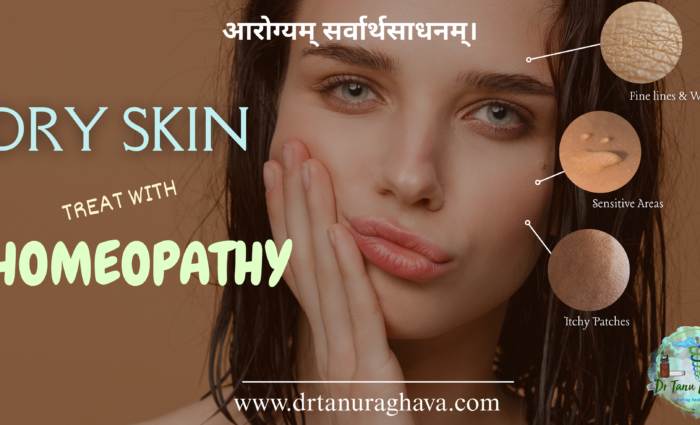
ToggleDry skin, also known as xerosis or xeroderma, is a common condition that affects people of all age groups. It is characterized by scaling, itching, cracking, and a rough texture of the skin. While it may seem like a minor problem, chronic dry skin can lead to discomfort, secondary infections, and can even be a sign of an underlying issue. As a Homeopathic Physician and Nutritional Counselor, Dr. Tanu Raghava emphasizes a holistic approach to treating dry skin that includes homeopathy, proper diet, and lifestyle changes.
The Culprit Behind Dry Skin
Dry skin results from a lack of moisture in the outer layer of the skin. This may happen due to a compromised skin barrier or insufficient production of natural oils. Environmental conditions, internal health issues, and improper skincare routines can all contribute to its development.
Common Causes of Dry Skin
- Cold or dry weather
- Hot showers or excessive bathing
- Harsh soaps and detergents
- Aging and hormonal changes
- Medical conditions like eczema, psoriasis, hypothyroidism, and diabetes
- Nutritional deficiencies (especially vitamin A, D, and E)
Types of Dry Skin
-
Contact Dermatitis – Caused by irritants or allergens.
-
Atopic Dermatitis (Eczema) – Chronic, often hereditary.
-
Seborrheic Dermatitis – Affects oily areas but results in dry flakes.
-
Psoriasis – Characterized by thick, dry, scaly patches.
-
Ichthyosis – A genetic condition leading to extremely dry, scaly skin.
Symptoms of Dry Skin
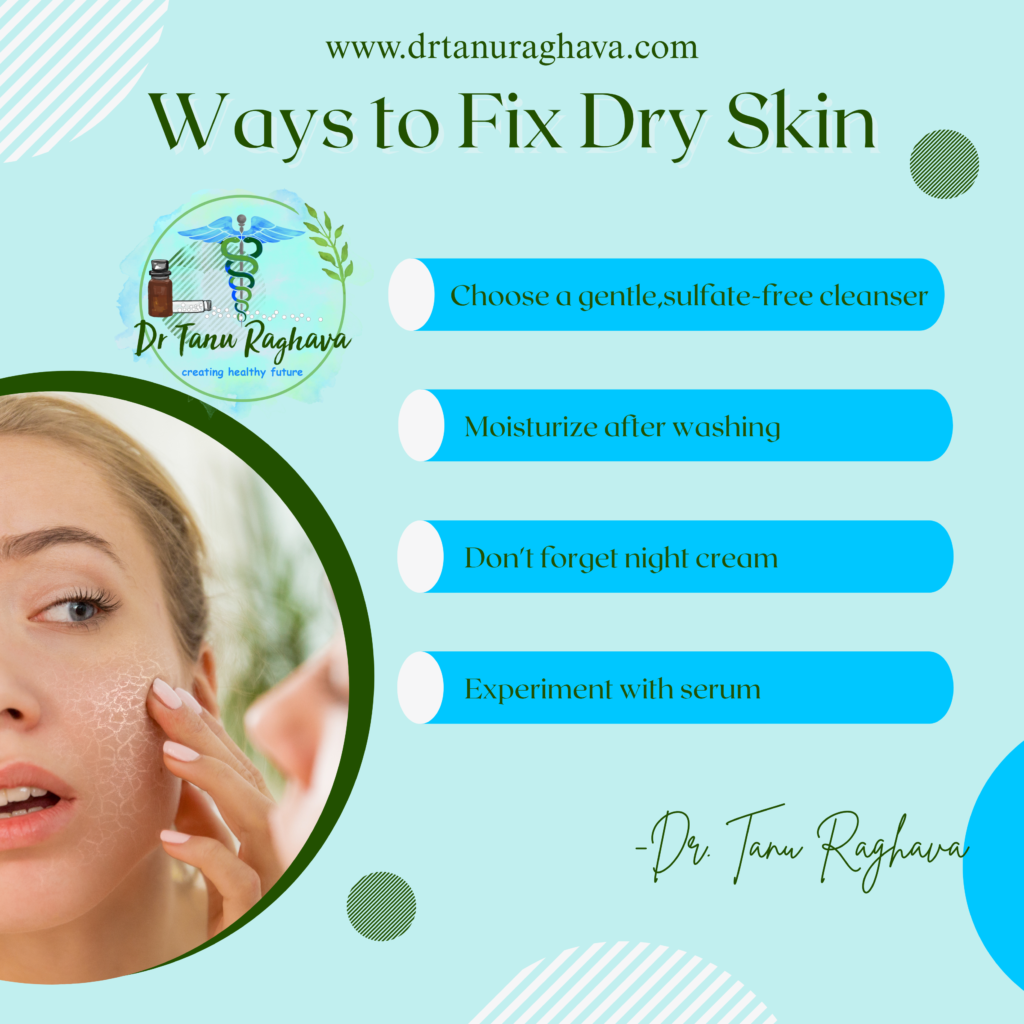
- Itching and flaking
- Rough or cracked skin
- Redness or inflammation
- Scaling and peeling
- Tightness, especially after washing
- Fine lines or fissures
Scientific Evidence Supporting Homeopathy in Dry Skin
Several clinical studies and patient case reports have supported the efficacy of homeopathy in managing chronic dermatological conditions including dry skin, eczema, and psoriasis. Homeopathic remedies work by stimulating the body’s self-healing mechanism. Research in journals such as Homeopathy and The Journal of Alternative and Complementary Medicine has shown significant improvement in symptoms of patients with atopic dermatitis and xerosis when treated with individualized homeopathic medicines.
Role of Homeopathy in Treating Dry Skin
Homeopathy offers a safe, natural, and holistic treatment for dry skin. Unlike conventional treatments that only manage symptoms temporarily, homeopathy aims to address the root cause—whether it is an internal imbalance, allergy, or lifestyle-related factor. Remedies are selected based on the totality of symptoms, individual constitution, and associated conditions. As Dr. Tanu Raghava often explains to her patients, homeopathic medicines not only restore skin hydration but also improve skin texture, immunity, and overall well-being.
Homeopathic Medicines for Dry Skin
1. Sulphur – The Dry, Itchy Skin Healer
Highlighted Symptom: Intense itching and burning, worse from warmth and washing.
Other Key Symptoms:
- Red, inflamed patches of dry skin
- Unbearable itching at night
- Dirty-looking skin despite cleanliness
- Sensitive to temperature changes
2. Graphites – For Cracked, Oozing Skin
Highlighted Symptom: Dry, rough, and cracked skin with oozing, sticky discharge.
Other Key Symptoms:
- Eczema with honey-like exudation
- Cracks behind ears, between fingers and toes
- Worse in winter
- History of metabolic or hormonal disorders
3. Arsenicum Album – For Scaly, Burning Skin
Highlighted Symptom: Burning dryness with scaling, better with warmth.
Other Key Symptoms:
- Anxiety and restlessness
- Thirst for small quantities
- Worse at night
- Symmetrical dry patches
Other Notable Remedies
- Petroleum – Deep cracks in palms and soles, bleeding dry skin
-
Natrum Muriaticum – Greasy yet dry skin, emotionally reserved patients
-
Mezereum – Crusty eruptions with thick scabs, intolerable itching
-
Calcarea Carb – Dry skin with a tendency to sweat, chilly disposition

Diet for Dry Skin: What to Eat and What to Avoid
Diet plays a vital role in maintaining skin health. Dr. Tanu Raghava always advises patients to nourish the skin from within with the right foods.
Foods to Eat:
- Fruits: Papaya, avocado, banana, watermelon, oranges
- Vegetables: Carrots, spinach, sweet potatoes, cucumbers, beetroots
- Pulses & Legumes: Moong dal, masoor dal, rajma (in moderation)
- Nuts & Seeds: Almonds, walnuts, flaxseeds, sunflower seeds
- Healthy Fats: Coconut oil, ghee, olive oil, avocados
- Hydrating Fluids: Coconut water, buttermilk, fresh fruit juices
Foods to Avoid:
- Spicy, fried, and oily foods
- Caffeinated beverages (coffee, cola)
- Excess sugar and processed foods
- Alcohol and smoking
- Cold, refrigerated items in winters
Do's and Don'ts for Managing Dry Skin
Do’s:
- Use lukewarm water for bathing
- Moisturize immediately after bathing
- Wear cotton-based, breathable fabrics
- Stay hydrated—drink at least 8-10 glasses of water
- Use natural, fragrance-free skin products
- Maintain a balanced diet rich in omega-3
Don’ts:
- Avoid long hot showers
- Do not use harsh soaps or alcohol-based cleansers
- Avoid woolen fabrics directly on skin
- Do not scratch or rub the skin
- Avoid stress and overexposure to sun or cold wind
Top 3 Yoga Exercises for Dry Skin
1. Bhujangasana (Cobra Pose)
Steps:
- Lie flat on your stomach
- Place palms under shoulders
- Inhale and lift chest while keeping elbows slightly bent
- Hold for 15-30 seconds, then release
2. Matsyasana (Fish Pose)
Steps:
- Lie on your back
- Arch your chest upward while supporting with forearms
- Place the crown of your head on the floor
- Hold for 30 seconds
3. Sarvangasana (Shoulder Stand)
Steps:
- Lie on back, lift legs and hips
- Support back with hands
- Keep legs and spine aligned
- Hold for 30 seconds to 1 minute
These poses improve blood circulation and promote detoxification, enhancing skin health.
Bonus Tip from Dr. Tanu Raghava: Apply coconut oil or almond oil mixed with a few drops of Calendula Q (mother tincture) at night to soothe and nourish dry patches naturally.

Conclusion
Dry skin is more than a superficial concern—it reflects internal imbalances and environmental effects. With the right combination of homeopathic remedies, dietary care, and lifestyle modifications, long-term relief is achievable. Dr. Tanu Raghava believes in healing from the root and empowering the skin to rejuvenate naturally.
FAQs
Q1. Can homeopathy permanently cure dry skin?
Ans: Yes, when prescribed by a qualified homeopath like Dr. Tanu Raghava, individualized remedies can address the root cause and provide long-lasting relief.
Q2. How long does it take to see improvement with homeopathic treatment?
Ans: Mild cases show improvement in 2-3 weeks, while chronic conditions may take 2-3 months under Dr. Tanu Raghava’s guidance.
Q3. Can children and elderly safely use homeopathy for dry skin?
Ans: Absolutely. Homeopathy is gentle, non-toxic, and safe for all age groups.
Q4. Should I stop using moisturizers during homeopathic treatment?
Ans: No, continue using gentle, natural moisturizers. Dr. Tanu Raghava often recommends combining internal treatment with topical hydration.
Q5. What if dry skin worsens in winter?
Ans: Seasonal dryness is common. Dr. Tanu Raghava advises seasonal remedy adjustments and preventive care during winter months.