

Introduction
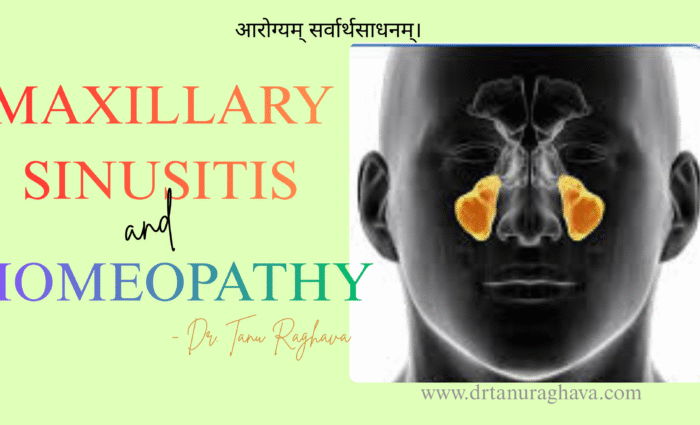
Maxillary sinusitis is one of the most common sinus infections affecting the cheekbone area, leading to pain, pressure, and nasal congestion. It can significantly affect breathing, sleep, and overall comfort. Homeopathy offers a safe and holistic solution by treating the underlying cause rather than just suppressing the symptoms. As explained by Dr. Tanu Raghava, Senior Homeopathic Consultant and Nutritionist, a personalized homeopathic approach can effectively relieve chronic sinus inflammation and prevent recurrence.
The Culprit Behind Maxillary Sinusitis
The main culprit behind maxillary sinusitis is inflammation or infection of the maxillary sinuses caused by blocked drainage pathways. When mucus cannot drain properly, it creates a breeding ground for bacteria and viruses, leading to swelling, pain, and sinus pressure.
Causes of Maxillary Sinusitis
- Bacterial or viral infection after cold or flu
- Allergic rhinitis causing nasal blockage
- Deviated nasal septum or nasal polyps
- Weak immunity and poor diet
- Exposure to pollution or irritants
- Chronic dental infection in upper teeth roots
Types of Maxillary Sinusitis
-
Acute Maxillary Sinusitis – Short-term infection lasting up to 4 weeks.
-
Subacute Sinusitis – Persists for 4–12 weeks.
-
Chronic Maxillary Sinusitis – Long-lasting infection lasting for more than 12 weeks.
-
Recurrent Sinusitis – Multiple episodes occurring several times a year.

Symptoms of Maxillary Sinusitis
- Facial pain and pressure, especially in cheeks
- Nasal blockage and thick discharge
- Headache worsening while bending forward
- Toothache or jaw pain
- Postnasal drip and bad breath
- Reduced sense of smell and taste
- Fatigue and low-grade fever
Scientific Evidence Supporting Homeopathy
Recent clinical and observational studies suggest that individualized homeopathic treatment can significantly reduce sinusitis symptoms and recurrence rates. A 2020 study published in Homeopathy Journal revealed improved mucosal drainage and reduced need for antibiotics in patients treated with homeopathy. Remedies like Kali bichromicum and Pulsatilla showed notable improvements in mucus clearance and inflammation reduction. Homeopathy’s holistic action strengthens immunity and balances the body’s response to allergens, providing long-term relief without side effects.
Role of Homeopathy in Maxillary Sinusitis
According to Dr. Tanu Raghava, homeopathy works by addressing the root cause—be it infection, allergy, or structural blockage—rather than merely suppressing inflammation. Remedies are chosen based on an individual’s total symptom picture, ensuring personalized healing. Homeopathy helps to liquefy thick mucus, reduce sinus pressure, improve drainage, and prevent chronic recurrences. It is especially effective for those suffering from recurrent sinus infections resistant to conventional treatments.
Homeopathic Medicines
Top Three Important Remedies
1. Kali Bichromicum
Highlighted Symptom: Thick, stringy, yellow-green mucus that sticks to the throat.
- Pain at the root of the nose.
- Pressure and fullness in the maxillary sinuses.
- Headache worse by stooping.
- Postnasal drip and blocked nose.
2. Pulsatilla Nigricans
Highlighted Symptom: Thick yellow or green discharge, changing in color and consistency.
- Symptoms worsen in warm rooms and improve in open air.
- Lack of thirst with blocked nose.
- Pain in the cheek and upper teeth.
- Gentle, mild, and weepy disposition.
3. Silicea Terra
Highlighted Symptom: Chronic sinusitis with pus formation and offensive discharge.
- Pain in forehead and cheeks.
- Recurrent sinus infections with weakness.
- Sensitive to cold air.
- Low immune resistance and sluggish healing.
Other Important Remedies
4. Mercurius Solubilis
Highlighted Symptom: Offensive, thick discharge with metallic taste.
- Pain in face, especially at night.
- Excessive salivation and sweating.
- Bad breath and yellow coating on the tongue.
5. Hepar Sulphuris Calcareum
Highlighted Symptom: Painful sinus with sensitivity to touch and cold air.
- Tendency to suppuration.
- Yellow discharge with foul smell.
- Irritable and chilly patient.
6. Belladonna
Highlighted Symptom: Sudden congestion with throbbing pain and redness.
- High fever and flushed face.
- Sensitivity to light and noise.
- Sudden onset of sinus inflammation.
7. Spigelia Anthelmia
Highlighted Symptom: Sharp neuralgic pain in face and teeth radiating to eye.
- Worse from touch and motion.
- Tearing pain around maxillary sinus.
- Periodic pain increasing during the day.

Importance of Correct Diet in Maxillary Sinusitis
Diet plays a vital role in recovery, as certain foods can either trigger mucus production or help in clearing it. Dr. Tanu Raghava emphasizes that a clean, anti-inflammatory diet helps maintain sinus health and strengthens immunity.
Foods to Eat:
- Fruits: Pineapple, apple, oranges, papaya, kiwi, and berries (rich in vitamin C).
- Vegetables: Spinach, carrot, broccoli, cabbage, garlic, and onion (contain antioxidants).
- Pulses: Moong dal, masoor dal, and lentils.
- Nuts & Seeds: Almonds, walnuts, flaxseeds, chia seeds, sunflower seeds.
- Liquids: Warm soups, herbal teas (ginger, tulsi, turmeric), and plenty of water.
Foods to Avoid:
- Dairy products like cheese and milk (increase mucus formation).
- Refined sugar, white flour, and fried foods.
- Cold drinks and ice creams.
- Processed and packaged foods.
- Alcohol and smoking.
Do’s and Don’ts
Do’s:
- Inhale steam twice daily for 10 minutes.
- Keep yourself well-hydrated.
- Sleep with your head elevated.
- Maintain good oral hygiene.
- Use a humidifier in dry seasons.
Don’ts:
- Avoid exposure to dust, smoke, and strong perfumes.
- Don’t suppress sneezing or nasal discharge.
- Avoid sudden temperature changes.
- Don’t overuse nasal sprays or antibiotics.
- Avoid late-night eating and cold food.
Top 3 Yoga Exercises
1. Anulom Vilom (Alternate Nostril Breathing)
Sit comfortably, close one nostril with your thumb, inhale deeply through the other, then switch sides. Repeat for 10 minutes. It clears nasal passages and enhances oxygen flow.
2. Bhujangasana (Cobra Pose)
Lie on your stomach, place palms under shoulders, and gently lift your upper body while inhaling. This posture opens the chest and improves sinus drainage.
3. Kapalabhati Pranayama (Skull Shining Breath)
Sit upright, take a deep breath, and exhale forcefully through the nose in short bursts. Do 30 strokes per set. It clears nasal passages and detoxifies the lungs.
Bonus Tip
Add 1 teaspoon of turmeric and a pinch of black pepper in warm water or milk daily. This natural anti-inflammatory drink helps reduce sinus swelling and enhances immunity.
Conclusion
Maxillary sinusitis, though common, can become chronic if ignored. With homeopathy, proper diet, and lifestyle discipline, it can be cured from the root. Dr. Tanu Raghava, with her expertise in Homeopathy and Nutrition, emphasizes that healing begins when the body’s inner balance is restored. Instead of temporary relief, homeopathy ensures lasting comfort and strengthened immunity for a healthier, congestion-free life.
FAQ
Q1. What is the best homeopathic remedy for maxillary sinusitis?
Ans: Kali bichromicum and Pulsatilla are commonly prescribed, but treatment must be individualized under expert guidance.
Q2. How long does it take for homeopathy to cure sinusitis?
Ans: Mild cases improve within weeks, while chronic conditions may take 2–3 months of consistent treatment.
Q3. Can diet affect sinus infection?
Ans: Yes, avoiding mucus-forming foods and including anti-inflammatory items significantly helps recovery.
Q4. Is homeopathy safe for children with sinusitis?
Ans: Absolutely. Homeopathic medicines are safe, gentle, and effective for children when prescribed properly.
Q5. Can sinusitis recur after homeopathic treatment?
Ans: Properly chosen homeopathic remedies and lifestyle changes minimize recurrence and strengthen natural resistance.